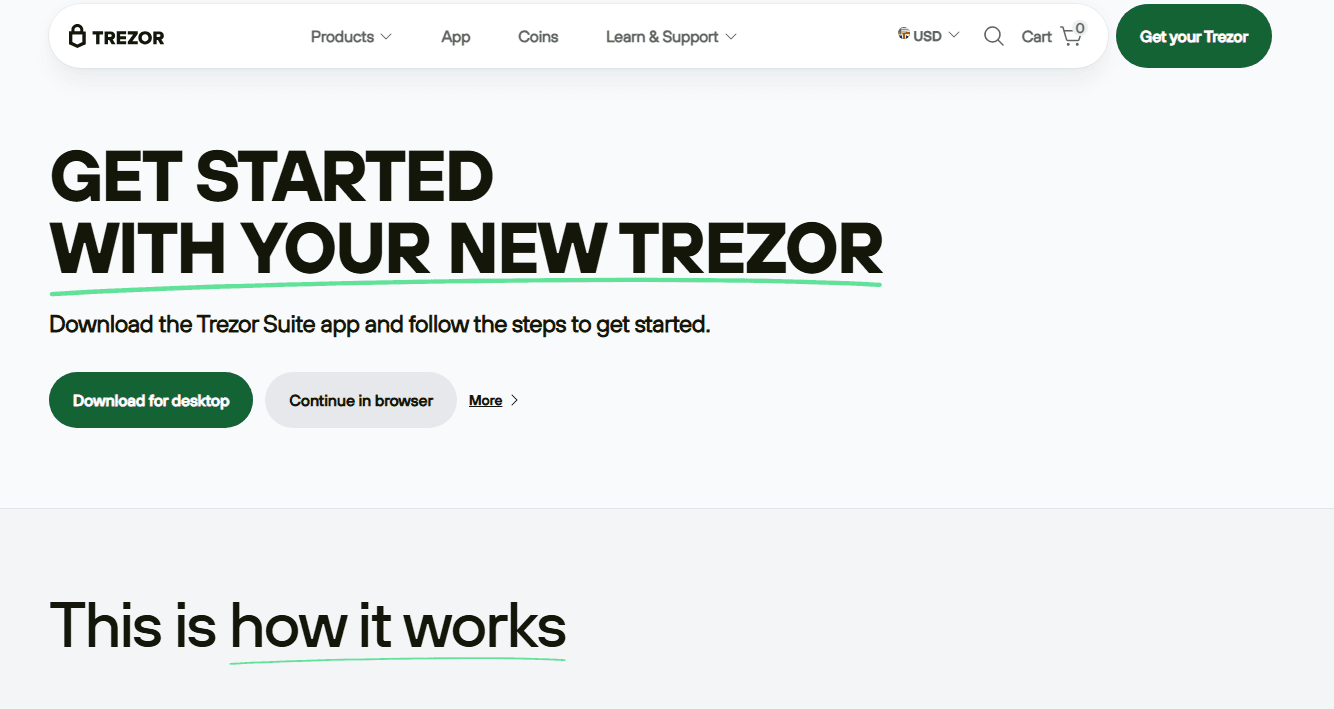
Trezor.io/Start: A Comprehensive 1200-Word Guide to Setting Up Your Trezor Hardware Wallet
Securing cryptocurrency requires far more than simply owning digital assets—you must protect them. With the rise of cyberattacks, exchange failures, and phishing schemes, crypto users have grown increasingly aware of the need for offline security solutions. Trezor, a pioneer in hardware wallets, gives users a safe and reliable way to store crypto offline. The journey begins at a single place: trezor.io/start. This page introduces you to the setup process, making sure you prepare your device correctly and follow the safest procedures.
This guide explains every step in detail, from unboxing your wallet to finalizing your setup. It also includes essential security tips to ensure your digital assets remain fully protected.
What Exactly Is Trezor.io/Start?
Trezor.io/start is the official onboarding portal for all Trezor hardware devices. It delivers up-to-date instructions so that users always follow the correct configuration pathway. Since Trezor frequently releases new firmware and security improvements, online setup ensures you’re always receiving the most current and safe guidance.
The purpose of this setup page is to:
Help you install Trezor Suite
Guide you through device initialization
Assist with generating your recovery seed
Teach you how to operate key security features
Ensure you avoid fraudulent setup instructions
Rather than rely on printed material that can easily become outdated, Trezor uses this unified online starting point for consistency and safety.
Before You Begin: Inspect Your Device Carefully
Since hardware wallets involve the protection of valuable assets, you must verify that your Trezor device is authentic and untampered with. When you unbox your wallet, inspect:
Packaging for signs of opening or resealing
Security seals or internal protective features
The physical shape of the device
The USB port to ensure no tampering
A real Trezor comes with manufacturers’ assurance that the hardware has not been compromised. If you notice anything suspicious, stop the setup immediately.
The Trezor.io/Start Setup Process Explained
When you visit trezor.io/start, you’ll enter a guided onboarding flow. This is the safest and most streamlined method for configuring your new Trezor wallet.
Below is a complete explanation of the key steps involved in setting up your wallet.
Step 1: Download Trezor Suite
Trezor Suite is the primary software for managing your hardware wallet. It acts as a secure dashboard for sending, receiving, and organizing crypto assets. The desktop application is preferred because it offers maximum functionality and is built to work seamlessly with Trezor devices.
Once downloaded and installed, open Trezor Suite to begin the next step.
Step 2: Connect Your Trezor Device
Using the USB cable provided in the box, plug your Trezor into your computer. Your device will power on automatically, and Trezor Suite will detect it.
Depending on your device model:
Trezor Model One will display simple navigation prompts
Trezor Model T will show touch-based instructions
Both models require user interaction on the device for security confirmation.
Step 3: Install Necessary Firmware
Most new Trezor devices are shipped without firmware to eliminate the risk of tampering. When connected for the first time, Trezor Suite will prompt you to install the latest firmware available.
This process involves:
Downloading the secure firmware package
Confirming installation on your Trezor device
Waiting for the device to reboot
Verifying that your firmware is authentic
You should never disconnect your device during a firmware update, as it may interfere with installation.
Step 4: Choose Between Creating a New Wallet or Restoring One
After updating the firmware, Trezor Suite will offer two primary options:
Create a New Wallet
You will generate a brand-new recovery seed, creating a completely fresh crypto wallet.
Restore Wallet
If you already have a recovery seed from a previous Trezor or compatible wallet, you can restore it here.
For first-time users, creating a new wallet is the appropriate choice.
Step 5: Generate Your Recovery Seed Phrase
Your recovery seed is the most important part of the entire setup process. It consists of a sequence of words (typically 12, 18, or 24) generated directly on your hardware wallet’s screen. These words act as the master backup to your wallet.
Important details to remember:
Your seed must be written down manually
Never save it on cloud storage or your computer
Keep it in a secure and private location
Anyone who obtains your seed can access your funds
Trezor only displays your recovery seed once, during setup. This ensures maximum protection.
Step 6: Confirm the Recovery Words
Once you write down your recovery phrase, you must confirm it word for word. This ensures that you copied it accurately. If the phrase does not match perfectly, Trezor Suite will prompt you to repeat the step.
This verification step is essential because one incorrect word can make wallet recovery impossible.
Step 7: Set a Secure PIN Code
Your next job is to set a PIN that will protect your Trezor device from unauthorized access. This PIN is required every time you plug in your hardware wallet.
Guidelines for creating a secure PIN:
Avoid using birthdays or repetitive patterns
Use as many digits as needed to strengthen security
Never share your PIN with anyone
Your PIN protects the physical device, while your recovery seed protects the digital wallet.
Step 8: Access Your Trezor Suite Dashboard
Once your wallet is created and your security details are in place, you'll be able to access the Trezor Suite dashboard. From here, you can:
Add accounts for supported cryptocurrencies
Track your portfolio value
Send and receive assets
Organize multiple wallets
Label addresses for better management
Explore advanced features like passphrase protection
Trezor Suite is designed to offer clarity while maintaining security at all times.
Security Practices You Must Follow After Setup
Setting up your Trezor is only the beginning. To keep your digital property safe, follow these essential guidelines:
1. Store Your Recovery Seed Securely
Your seed should be backed up in a confidential and offline environment. Many users prefer metal seed backup plates for long-term protection.
2. Protect Your PIN
Your device's PIN prevents unauthorized individuals from using your hardware wallet even if they steal it.
3. Use Only Trusted Devices
Avoid connecting your Trezor to public or shared computers.
4. Check Every Transaction on the Device Screen
Always verify the receiving address and amount displayed on the Trezor device itself. Malware can alter addresses on your computer screen.
5. Keep Firmware and Suite Updated
Updates improve security, performance, and compatibility.
6. Avoid Sharing Photos of Your Device
Even harmless pictures can reveal important identifying features to attackers.
Troubleshooting Common Setup Issues
Most users complete the trezor.io/start process smoothly, but occasionally some run into challenges. Here are the most common issues and their solutions:
Device Not Detected
Try a new USB cable
Change the USB port
Restart Trezor Suite
Ensure your device is unlocked
Recovery Seed Not Accepted
Verify the spelling of every word
Make sure the order is correct
Double-check your handwriting clarity
Firmware Update Stuck
Restart your device
Try reconnecting
Ensure a stable connection
PIN Setup Problems
Restart the process
Follow on-screen patterns carefully
These simple fixes usually resolve the majority of setup issues.
Why Trezor Remains One of the Top Hardware Wallet Solutions
Trezor sets a benchmark for crypto security due to its blend of innovation, transparency, and ease of use. Its strongest advantages include:
Completely offline private key management
Open-source software structure
Physical verification required for all transactions
No reliance on centralized systems
Clear, user-friendly interface
Whether you’re storing Bitcoin, Ethereum, or a diverse portfolio of assets, Trezor empowers you with complete control.
Final Thoughts: Mastering Your Trezor Setup Through Trezor.io/Start
Trezor.io/start plays a central role in ensuring that users set up their hardware wallet correctly and securely. By following the guided steps—installing Trezor Suite, updating firmware, writing down your recovery seed, and setting your PIN—you create a robust foundation for protecting your crypto assets.
With the right habits and careful management, your Trezor device becomes more than just a hardware wallet—it becomes a reliable vault securing your financial sovereignty.